
Best DUI Insurance for High-Risk Drivers — Iowa
Free to compare
Why Iowa OWI Drivers Face Two Coverage Barriers
You received an OWI conviction in Iowa yesterday and your insurer mailed the cancellation notice this morning. You know you need SR-22 insurance to reinstate your license after the 180-day suspension period ends. What you may not realize: securing the SR-22 filing is one barrier, securing actual coverage approval from a carrier willing to write your policy is a separate, often harder barrier.
Iowa's OWI suspension structure creates two distinct coverage decision points. The first is the SR-22 filing itself, required for two years post-reinstatement per Iowa Code Chapter 321J. The second is underwriting approval, where carriers apply secondary screens that can disqualify first-offense filers based on BAC level recorded at arrest, the recency of conviction date, and whether you are seeking coverage during a Temporary Restricted License period with an ignition interlock device installed. Both barriers must clear before you hold an active policy that satisfies Iowa DOT reinstatement conditions.
“SR-22 availability does not guarantee coverage approval — carriers apply BAC thresholds and conviction-recency screens that disqualify first-offense Iowa OWI filers for months.”

Find Iowa Coverage After a DUI
Get My Iowa DUI Auto Insurance Quote$230
Iowa OWI Reinstatement Fee
Iowa charges a $20 base reinstatement fee plus a $200 civil penalty fee for OWI revocations under Iowa Code § 321J.17, totaling $230 before carrier premiums. This fee is paid to Iowa DOT Motor Vehicle Division, separate from SR-22 filing fees charged by your insurer.
Iowa Code § 321J.17
Iowa SR-22 Filing After OWI: What It Actually Covers
SR-22 is not a type of insurance. It is a certification your carrier files electronically with Iowa DOT certifying you carry minimum liability coverage: $20,000 per person bodily injury, $40,000 per accident bodily injury, $15,000 property damage. The carrier charges a one-time filing fee, and Iowa requires you maintain continuous coverage for two years from your reinstatement date, not from your conviction date.
If your policy lapses or cancels during the two-year SR-22 period, your carrier notifies Iowa DOT electronically within 10 days. Iowa DOT suspends your license again immediately. Reinstatement after an SR-22 lapse requires paying the full $230 reinstatement fee a second time, restarting the two-year SR-22 clock, and finding a carrier willing to write you after a coverage gap, which narrows your underwriting options further.
Iowa-licensed carriers writing SR-22 include Geico, Progressive, State Farm, The General, Dairyland, Bristol West, and National General. Not all write first-offense OWI drivers with immediate approval. Some require a waiting period measured from conviction date. Others apply BAC-level thresholds or exclude drivers with pending ignition interlock conditions.

SR-22 availability does not guarantee coverage approval. Carriers writing Iowa SR-22 apply secondary underwriting screens that disqualify first-offense OWI filers based on BAC and conviction recency.






Non-Owner SR-22: When You Do Not Own a Vehicle Post-OWI
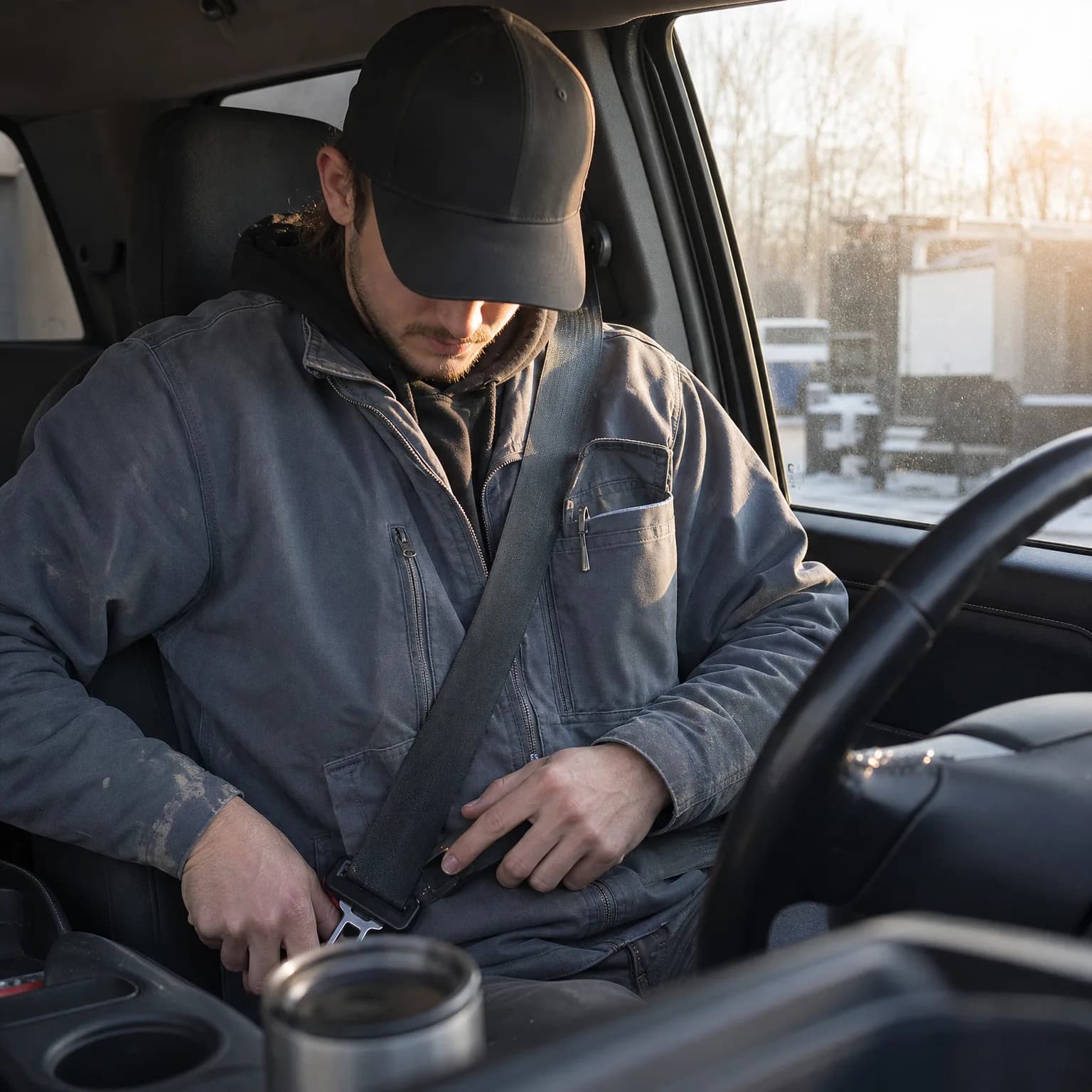
If your household no longer owns a vehicle following your OWI conviction, or if you sold your vehicle during the suspension period, Iowa still requires you maintain SR-22 insurance for two years to keep your license valid post-reinstatement. A non-owner SR-22 policy satisfies this requirement without insuring a specific vehicle.
Non-owner policies provide liability coverage when you drive a vehicle you do not own: borrowed vehicles, rental cars, employer-provided vehicles. They do not cover vehicles you own, vehicles registered to your household, or vehicles you drive regularly. Geico, Progressive, Dairyland, The General, and USAA write non-owner SR-22 policies in Iowa. Non-owner premiums are lower than standard SR-22 policies because the carrier assumes you drive infrequently.
Iowa DOT does not distinguish between owner and non-owner SR-22 filings. Both satisfy the two-year continuous coverage requirement. If you later purchase a vehicle during the SR-22 period, you must notify your carrier immediately and convert to a standard owner policy. Driving an owned vehicle under a non-owner policy voids coverage and triggers an SR-22 lapse notification to Iowa DOT.
2 years
Iowa SR-22 Filing Period OWI
Iowa requires SR-22 filing for two years from reinstatement date for OWI revocations. The period does not begin until you pay the reinstatement fee and Iowa DOT restores your license. Time spent suspended does not count toward the two-year period.
Iowa Code Chapter 321J
Temporary Restricted License and Insurance Timing
Iowa offers a Temporary Restricted License for OWI offenders after the mandatory 30-day hard suspension period ends. The TRL allows driving for employment, education, medical treatment, and other essential purposes approved by Iowa DOT. First-offense OWI drivers must install an ignition interlock device for the entire TRL period, and must maintain SR-22 insurance continuously while the TRL is active.
The timing bottleneck: you cannot apply for a TRL without proof of SR-22 insurance, but some carriers will not issue a policy until 30 or 60 days post-conviction. If your conviction date is May 1 and the mandatory hard suspension ends May 31, but your carrier requires a 60-day waiting period, you cannot obtain SR-22 until July 1, which delays your TRL application by 30 days even though Iowa law would permit TRL eligibility starting June 1. This waiting period is carrier-imposed, not state-imposed, and varies by underwriting tier.
Compare Carriers Writing Iowa OWI SR-22
Request quotes from at least three carriers writing Iowa SR-22 for OWI drivers: one preferred-tier carrier if your BAC was at or below 0.10%, one standard non-standard carrier regardless of BAC, and one deep-non-standard carrier that writes all BAC levels and accepts immediate post-conviction applicants. Geico and Progressive occupy the first category. The General, Dairyland, and Bristol West occupy the second and third. State Farm writes SR-22 in Iowa but applies strict BAC and conviction-recency screens that disqualify many first-offense filers for six months.
When requesting quotes, provide your exact conviction date, BAC level from the arrest report, and whether you currently hold a Temporary Restricted License with an ignition interlock device installed. These three data points determine underwriting tier and eliminate carriers that will not write your policy before you waste time on applications. Premiums vary significantly: deep-non-standard carriers charge higher monthly rates but accept drivers standard carriers decline. The cheapest available quote is the correct choice when alternatives do not exist.
Secondary Underwriting Screens Iowa OWI Drivers Face
BAC level at arrest is the most common secondary screen. Carriers writing first-offense OWI often set internal BAC thresholds: drivers with BAC at or below 0.15% receive standard non-standard tier pricing, while BAC above 0.15% triggers either a surcharge or outright declination for six to twelve months post-conviction. Iowa does not publish these thresholds; they are carrier-specific and undisclosed until you request a quote.
Conviction recency creates a second screen. Some carriers require a 30-day waiting period from conviction date before issuing a policy, even if you are eligible for a Temporary Restricted License immediately after the mandatory 30-day hard suspension Iowa imposes on first OWI offenders. Others require 60 or 90 days. This gap creates a coverage timing problem: you cannot obtain a TRL without SR-22 proof of insurance, but you cannot obtain SR-22 insurance until the carrier's internal waiting period expires.
Get Your Free Quote
Get My Iowa DUI Auto Insurance QuoteFrequently Asked Questions
Do all Iowa car insurance carriers file SR-22 after OWI?
No. Geico, Progressive, State Farm, The General, Dairyland, Bristol West, and National General file SR-22 in Iowa. Preferred-tier carriers like Allstate, Travelers, and American Family typically do not write post-OWI policies or require multi-year waiting periods before accepting OWI drivers. Request quotes only from carriers confirmed to write SR-22 in Iowa to avoid wasted applications.
Can I get SR-22 insurance in Iowa immediately after OWI conviction?
Depends on the carrier and your BAC level. The General, Dairyland, and Bristol West write policies immediately post-conviction for most BAC levels. Geico and Progressive may require a 30 to 60-day waiting period from conviction date, and State Farm applies a six-month waiting period for BAC above 0.15%. Iowa law does not impose a waiting period, but carrier underwriting does.
What happens if my SR-22 insurance lapses in Iowa?
Your carrier notifies Iowa DOT electronically within 10 days of the lapse. Iowa DOT suspends your license immediately. Reinstatement after an SR-22 lapse requires paying the full $230 reinstatement fee again, filing new SR-22 proof, and restarting the two-year SR-22 period from the new reinstatement date. Avoid lapses by setting automatic payment reminders 15 days before your policy renewal date.
Does Iowa require SR-22 for first-offense OWI?
Yes. Iowa Code Chapter 321J requires SR-22 filing for all OWI revocations, including first offense. The SR-22 period is two years measured from reinstatement date, not conviction date. You cannot reinstate your Iowa license after the 180-day OWI suspension without proof of SR-22 insurance filed with Iowa DOT Motor Vehicle Division.
Can I use non-owner SR-22 insurance in Iowa after OWI?
Yes, if you do not own a vehicle and do not have regular access to a household vehicle. Non-owner SR-22 policies satisfy Iowa's two-year filing requirement and provide liability coverage when you drive borrowed or rental vehicles. Geico, Progressive, Dairyland, The General, and USAA write non-owner SR-22 in Iowa. If you later purchase a vehicle, you must convert to a standard owner policy immediately.